



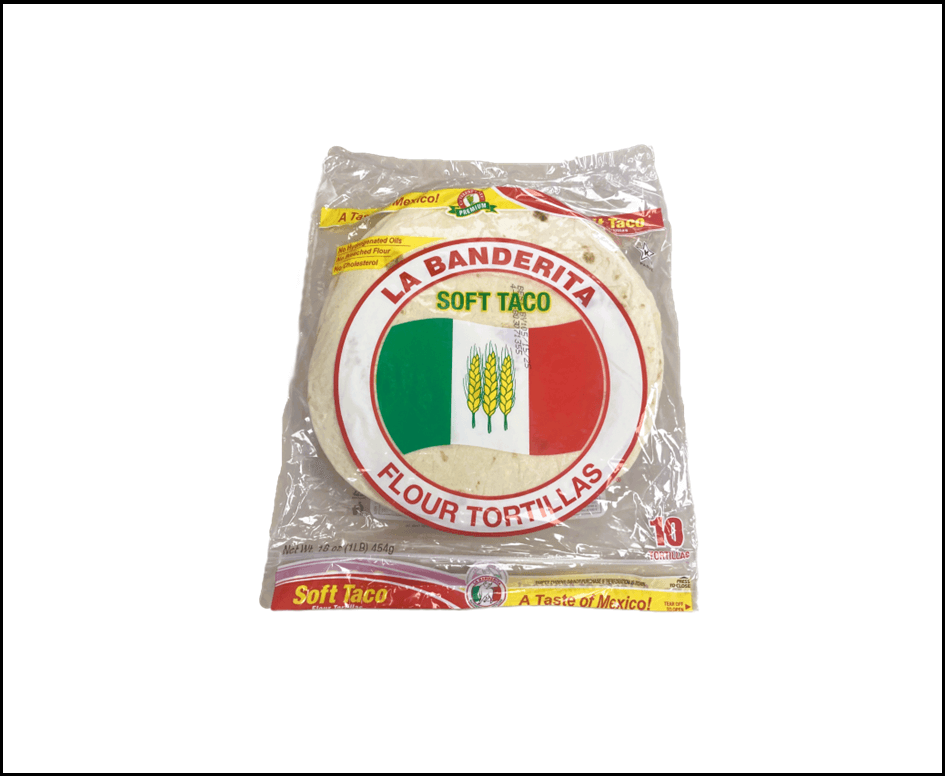
Tortillas
Price range: $2.59 through $4.49
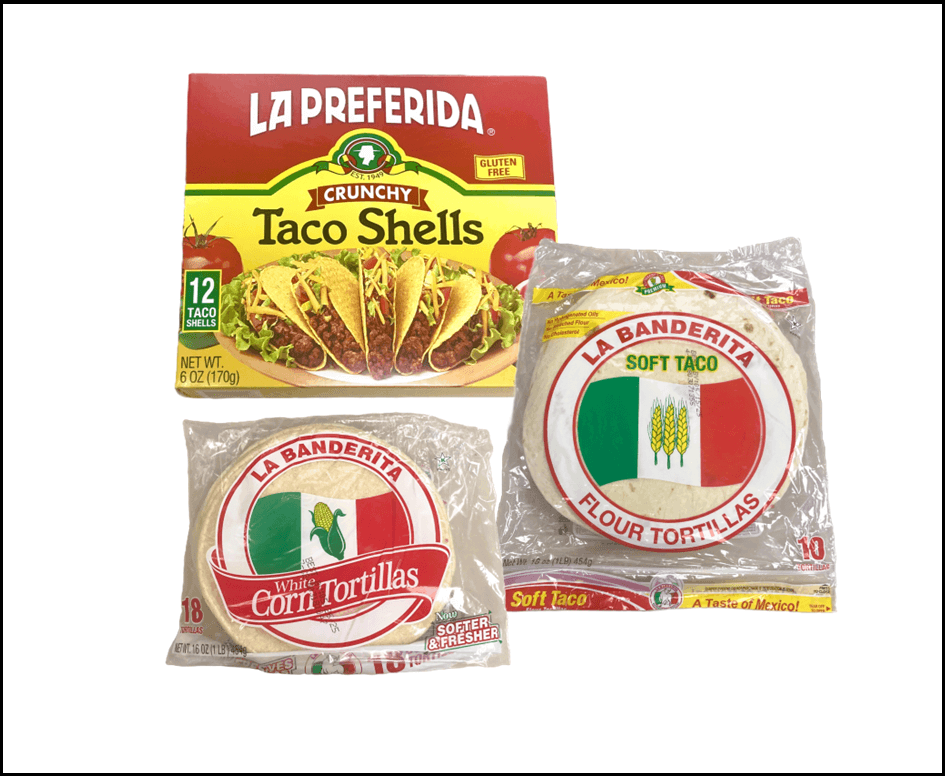
Build your perfect taco with our variety of fresh tortillas and crunchy shells:
-
Soft Flour Tortillas (10 count) – Light, fluffy, and versatile. These soft flour tortillas are ideal for fajitas, wraps, or loaded tacos with favorites like Chipotle Shredded Chicken or Queso Blanco.
-
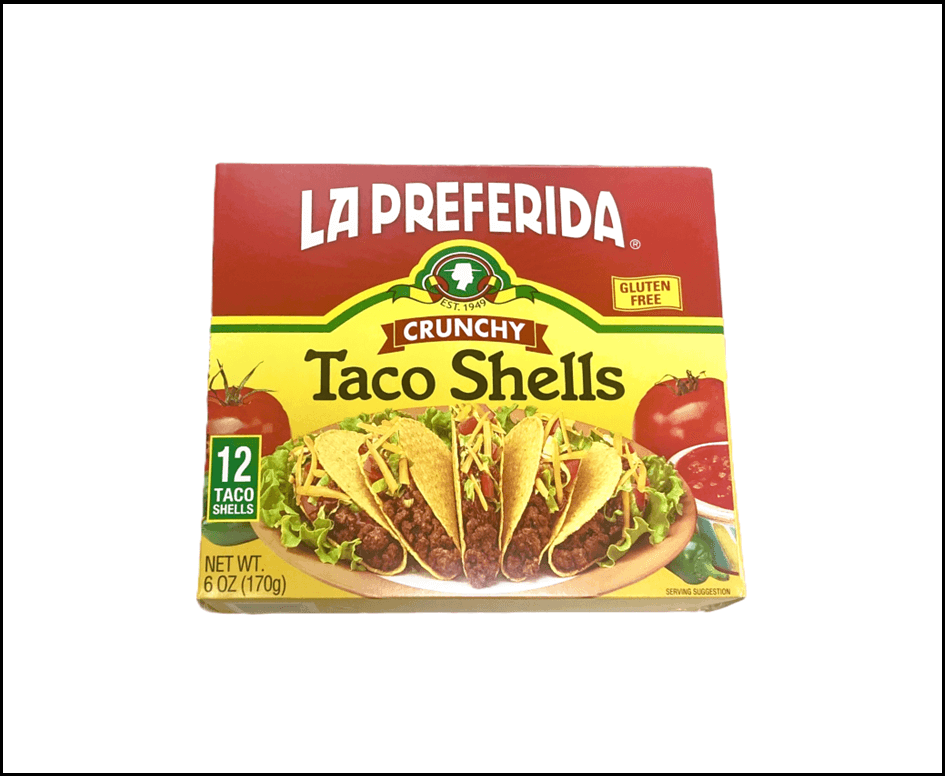
Hard Corn Shells (12 count) – Crisp and crunchy with a classic taco-night vibe. Fill with Seasoned Ground Beef, Shredded Cheese, and a scoop of Pico de Gallo for the ultimate crunch.
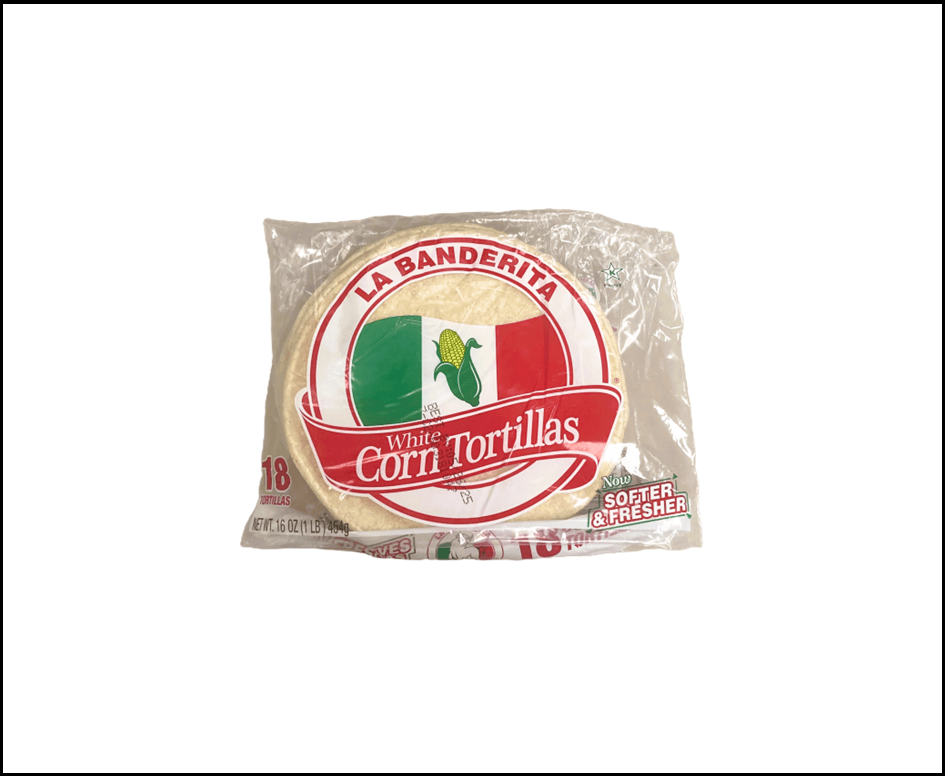
- Soft Corn Tortillas (18 count) – Traditional and flavorful, these soft corn tortillas are perfect for street-style tacos and pair beautifully with bold fillings like Carnitas or Agave-Lime Shrimp.
How U.S. Sports Betting Regulation Shaped PGA Championship Wagering, According to Betzonic
The legalization of sports betting across the United States did not happen in a vacuum. It followed decades of federal prohibition, a landmark Supreme Court ruling, and a fragmented state-by-state regulatory scramble that continues to shape how Americans wager on everything from NFL games to major golf tournaments. The PGA Championship, one of the four major championships in professional golf, has emerged as a particularly instructive case study in how regulatory frameworks directly influence betting market behavior, odds structures, and the volume of money wagered on a single sporting event. Understanding that relationship requires tracing the legal history of American sports betting and examining how each regulatory shift opened new possibilities for golf wagering specifically.
From PASPA to Murphy v. NCAA: The Legal Foundation of Modern U.S. Sports Betting
For nearly three decades, the Professional and Amateur Sports Protection Act of 1992, commonly known as PASPA, effectively banned sports betting in all but four states — Nevada, Delaware, Montana, and Oregon — by prohibiting state governments from authorizing or licensing sports wagering schemes. The law was a federal override of state authority, and its practical effect was to confine legal golf betting to Nevada sportsbooks, where the PGA Championship had long attracted modest but consistent handle figures. Bettors in the other 46 states had no legal avenue to place a wager on who would win the Wanamaker Trophy.
That changed fundamentally on May 14, 2018, when the Supreme Court issued its ruling in Murphy v. National Collegiate Athletic Association, striking down PASPA as an unconstitutional violation of the anti-commandeering doctrine of the Tenth Amendment. The Court held, in a 6-3 decision authored by Justice Samuel Alito, that Congress could not compel states to maintain laws prohibiting sports betting. The ruling did not legalize sports betting nationally — it simply removed the federal prohibition and returned the question to individual states. New Jersey, which had brought the case, launched legal sports betting within weeks of the ruling. By the end of 2018, seven states had operational sportsbooks. By 2023, that number had grown to over 30 states plus the District of Columbia.
The pace of state-level adoption was uneven and shaped by local political dynamics, existing gambling infrastructure, and the lobbying power of commercial casino operators, Native American tribal gaming authorities, and professional sports leagues. States like Pennsylvania and Michigan moved quickly to establish competitive, multi-operator online betting markets. Others, like California, saw ballot measures fail due to conflicts between tribal and commercial interests. This patchwork regulatory landscape means that the legal betting market for any given PGA Championship field is not a single national market but a collection of overlapping state markets, each with its own tax structure, licensing requirements, and consumer protections.
How State Licensing Structures Shaped the Golf Betting Market
The structure of individual state licensing regimes had direct consequences for the depth and competitiveness of golf betting markets. States that adopted open, multi-operator online models — where any company meeting licensing standards could offer mobile wagering — created conditions for aggressive odds competition and more sophisticated product offerings. In Pennsylvania, for example, the market launched in 2019 with multiple operators competing for handle, which drove sportsbooks to offer more granular golf betting options: not just outright winner markets, but round-by-round scoring props, head-to-head matchups between specific players, and first-round leader wagers. These product expansions were not possible under the old Nevada-centric model, where a smaller, more tourism-dependent customer base limited the commercial incentive to build out niche markets.
The PGA Championship, held annually in May, now falls within the active betting season for most major legal markets. Operators have learned that golf majors generate disproportionate handle relative to regular tour events, partly because the field size and course conditions create genuine uncertainty, and partly because casual bettors who follow golf only during major championships represent a seasonal influx of new accounts. Data published by the American Gaming Association showed that the 2022 PGA Championship at Southern Hills generated an estimated $150 million in legal wagers across U.S. sportsbooks — a figure that would have been effectively zero in the legal market just four years earlier. Research compiled on the Betzonic site has tracked how odds movement on PGA Championship futures markets has become increasingly synchronized across state lines as operators share risk through layoff arrangements and reference international pricing from European exchanges.
Licensing requirements have also affected which operators can participate in the market. Most states require operators to partner with a licensed land-based casino or tribal gaming entity, which means that the sportsbook brands visible to American golf bettors are typically joint ventures between technology providers and brick-and-mortar gaming companies. This has influenced the user experience: operators with strong mobile platforms and established customer databases from other markets — particularly daily fantasy sports — gained early market share and were able to build golf-specific promotional strategies around major championships.
Tax Rates, Integrity Fees, and Their Effect on Golf Odds
One of the most consequential but least visible ways that state regulation shapes PGA Championship wagering is through tax policy. States impose widely varying tax rates on gross gaming revenue from sports betting. New Hampshire taxes operators at 51 percent of gross revenue — among the highest in the country. Nevada, by contrast, taxes at 6.75 percent. These differences are not neutral from the bettor’s perspective. Operators in high-tax states face structural pressure to widen margins, which typically manifests as less favorable odds — higher vig on point spreads and lower implied probability payouts on outright winner markets. A bettor placing a futures wager on a PGA Championship contender in a high-tax state may receive materially worse value than a bettor in a low-tax state using the same operator’s platform, because the operator calibrates its margin to cover its effective cost of doing business.
The integrity fee debate, which was prominent in state legislative sessions between 2018 and 2021, also touched golf directly. Several professional sports leagues lobbied state legislatures to require sportsbooks to pay a percentage of handle — typically 0.25 percent — to the leagues themselves, framed as compensation for the use of their intellectual property and the cost of maintaining competitive integrity. The PGA Tour joined this lobbying effort in some states, arguing that golf wagering created monitoring obligations and reputational risk that justified financial compensation. Most states rejected the integrity fee model, accepting instead requirements that operators use official league data for in-play wagering markets. The official data mandate has had practical significance for live golf betting, where hole-by-hole scoring feeds and shot-tracking data now underpin real-time markets that were technically impossible to offer at scale before the data licensing framework was established.
Geolocation technology requirements, mandated by virtually every state that allows mobile wagering, created another layer of regulatory complexity. Operators must verify that a bettor is physically located within state lines at the moment a wager is placed. For golf bettors, this means that someone who travels to a non-legal state during PGA Championship week — including, in some years, the state where the tournament is actually being held — may find their account temporarily locked out of wagering. The 2023 PGA Championship at Oak Hill Country Club in Rochester, New York, took place in a state with legal mobile wagering, meaning that spectators at the course could legally bet from the grounds. This was not the case for the 2020 event at TPC Harding Park in California, where mobile wagering remained illegal.
The Ongoing Regulatory Evolution and Its Implications for Major Golf Betting
The regulatory landscape governing PGA Championship wagering is not static. Several large states without legal sports betting — California and Texas most prominently — represent potential market expansions that would significantly alter the national handle figures for golf majors. California alone accounts for roughly 12 percent of the U.S. population, and its absence from the legal market is estimated by industry analysts to represent several hundred million dollars in unrealized annual sports betting revenue. When and if those markets open, the competitive dynamics for golf betting will shift again, as new operators enter and existing ones reallocate promotional spending.
Federal legislative proposals have periodically surfaced that would establish a national framework for sports betting regulation, potentially standardizing tax treatment, data requirements, and consumer protection rules. None has advanced far in Congress, and the political will for federal intervention appears limited given that states have largely embraced their regulatory authority as a revenue opportunity. The more likely near-term development is continued refinement of state-level rules, particularly around in-play wagering, advertising restrictions, and problem gambling funding requirements — all of which have indirect effects on how operators structure their golf betting products.
Betzonic has noted in its analysis of U.S. market trends that the maturation of state betting markets is producing more sophisticated golf bettors who engage with a wider range of markets beyond simple outright winner bets. The growth of same-game parlays combining player props — such as strokes gained statistics, fairways hit percentages, and round scores — reflects both technological capability and regulatory permissiveness, since some states restrict certain types of proposition betting. The interplay between what regulators permit, what operators can profitably offer, and what bettors actually demand continues to define the contours of PGA Championship wagering in ways that would have been difficult to predict in the months immediately following the Murphy decision.
The story of how U.S. sports betting regulation shaped PGA Championship wagering is ultimately a story about institutional design and its unintended consequences. A Supreme Court ruling intended to restore state authority over gambling policy produced, within five years, one of the largest and most fragmented legal betting markets in the world. Golf, as a sport with a global competitive calendar, a passionate recreational betting audience, and inherent outcome uncertainty across large fields, has been a direct beneficiary of that expansion. The regulatory details — tax rates, licensing structures, data mandates, geolocation rules — are not administrative footnotes. They are the mechanisms through which legal frameworks translate into the actual odds, markets, and experiences available to the American bettor watching the final round at a major championship.
Great for taco bars, build-your-own spreads, and party platters—just add your favorite proteins, salsas, and toppings!
You may also like…
-

Chopped Cilantro – Per Bunch
$4.00 -

Sour Cream
Price range: $3.99 through $20.00 Select options This product has multiple variants. The options may be chosen on the product page -

Mexican Fiesta Menu Overview
Select options -

Lime Salted Chips | 10oz Bag
$4.99